
Shallow Foundation Testing and Structural Testing of Slabs and Beams
Home – Shallow Foundation Testing and Structural Testing of Slabs and Beams
- Services
Shallow Foundation Testing and Structural Testing of Slabs and Beams
We deliver a comprehensive suite of services under shallow foundation testing that ensure any shallow foundation needs for various structures are fully met to ensure quality and safety.
Scope of Services
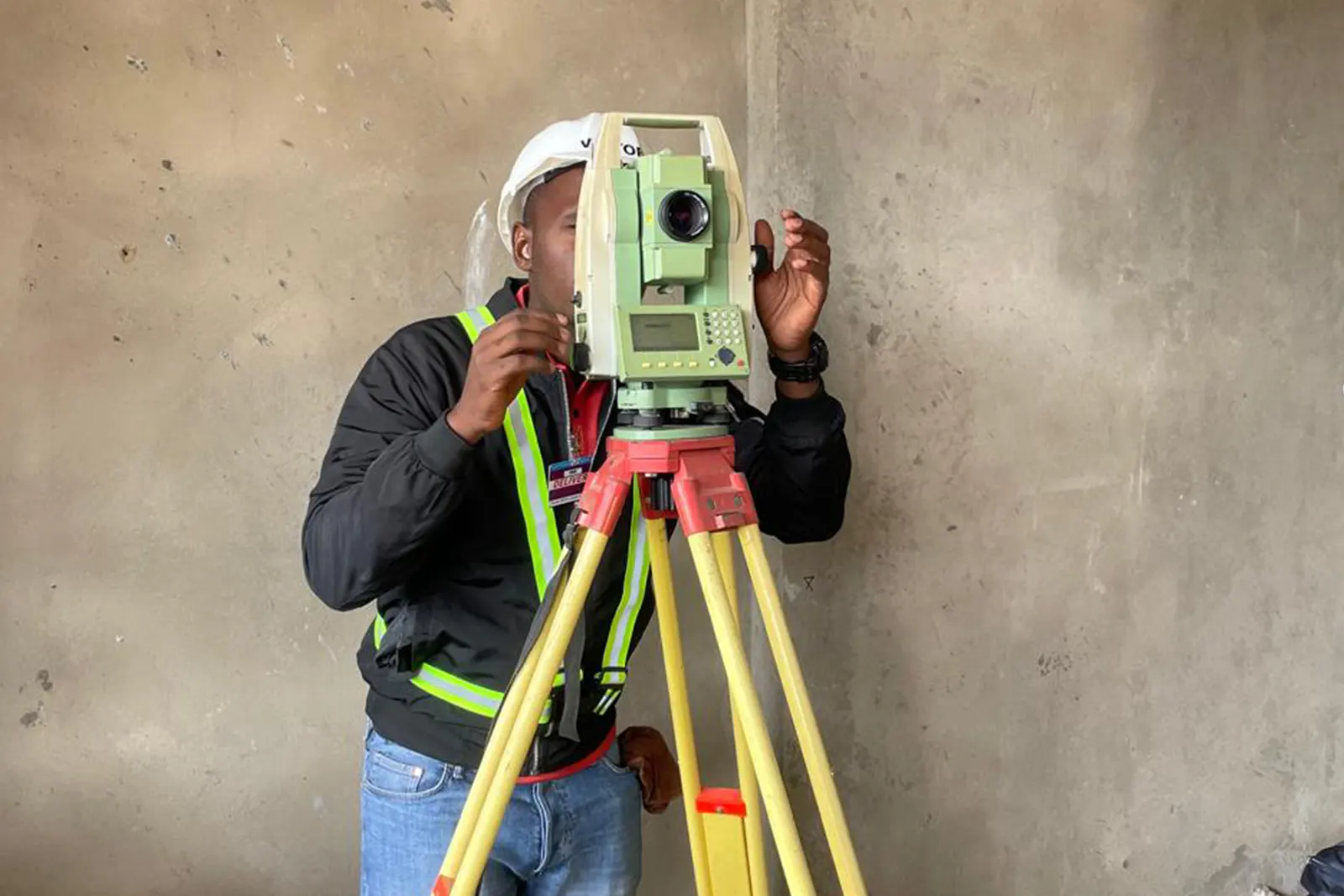
Our shallow foundation testing and structural testing of slabs and beams services range from plate load testing to beam and slab detection monitoring. We are always open to listen to client requirements to find out what mix of services would serve them best.
Shallow Foundation Testing and Structural Testing of Slabs and Beams - Key Services:
- Plate Load Testing
- Bridge Load Testing
- Beam and Slab Deflection Monitoring
Our Approach
We apply proven construction methodologies, disciplined scheduling, and experienced supervision to ensure on-time delivery and consistent build quality.
Quality & Safety
All works follow certified quality assurance systems and comprehensive safety protocols to minimize risk and ensure long-term durability.
More Services
Start Your Project Confidently
- Shallow Foundation Testing and Structural Testing of Slabs and Beams
1. Plate Load Testing
A steel plate is placed at foundation level and subjected to incremental static loads. Settlement is recorded to determine the ultimate bearing capacity and settlement behavior of soil for shallow foundations.
2. Bridge Load Testing

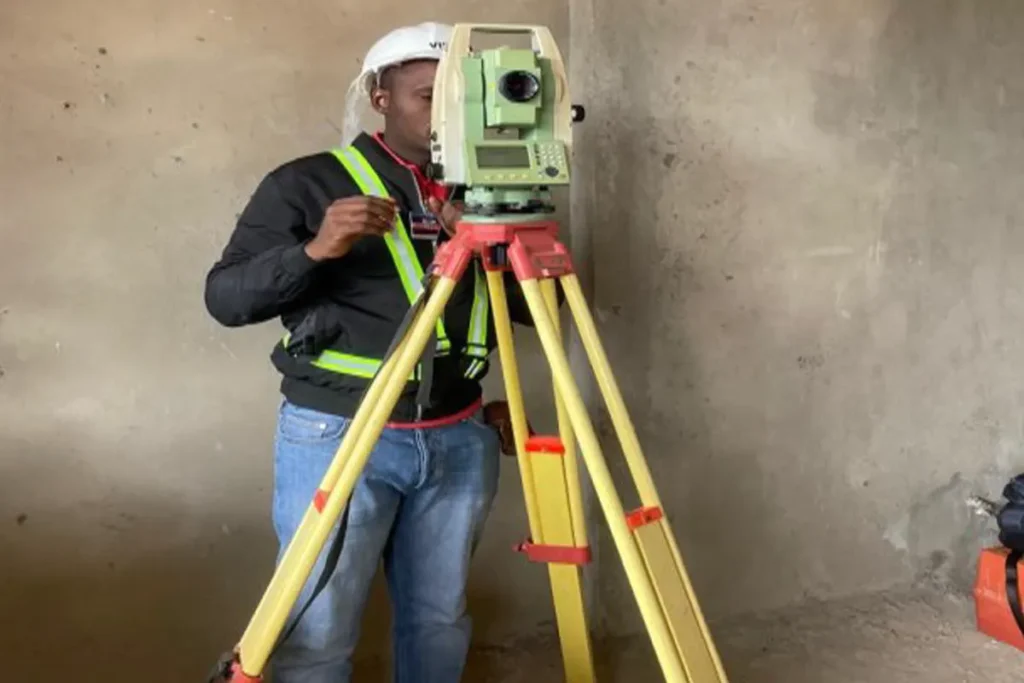
Fig: Bridge load testing in Birika , Kajiado County in August 2021
Bridge load testing evaluates the structural performance, safety, and load-carrying capacity of a bridge under real or simulated service conditions. The test’s main objective is to confirm that the bridge can safely carry the intended loads, including its own weight as well as additional loads from vehicles, pedestrians, and environmental factors. It also measures the bridge’s response, such as deflection, stress, strain, and vibration, under controlled loading, enabling engineers to compare actual behavior with design predictions.
Proficient Skills Engineers Ltd has extensive experience and involvement in bridge load testing, fully understanding the complexities and technical requirements involved. This expertise allows the company to effectively assess newly constructed bridges to verify workmanship and design assumptions, as well as evaluate existing or aging structures to identify any need for repairs or strengthening. Their work helps ensure compliance with regulatory standards and guarantees public safety by detecting hidden structural weaknesses.
3.Beam and Slab Deflection Monitoring
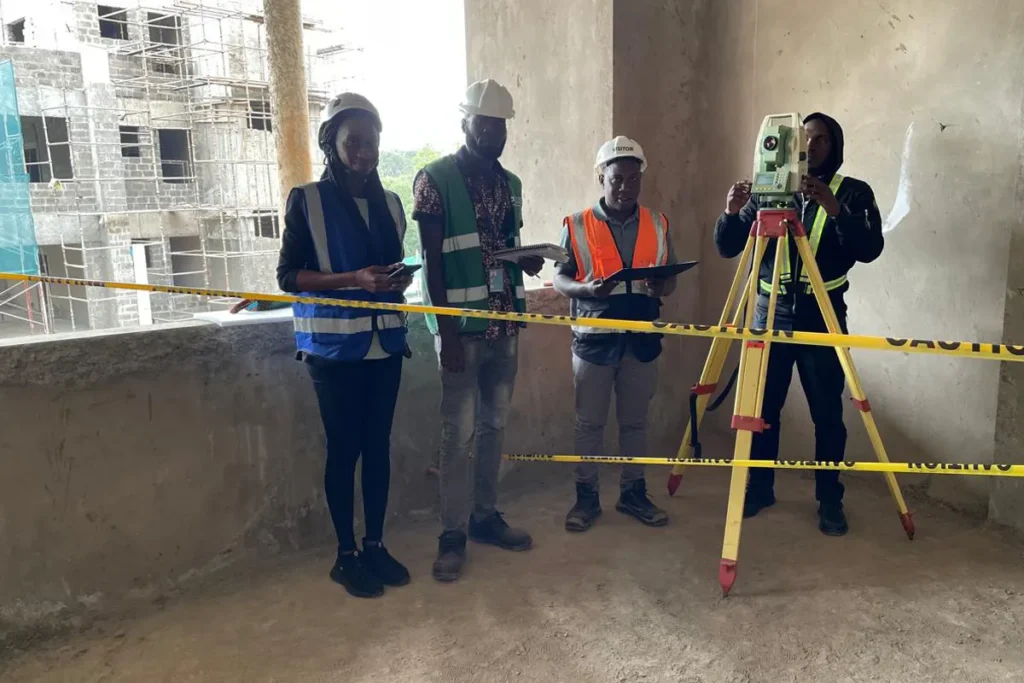
Fig: Slab load testing at United Nations Office of Nairobi Gigiri in July 2024
According to BS 8110 Part 3, slabs and beams should be subjected to load testing when there is uncertainty about their structural adequacy, especially due to poor construction quality, design modifications, or changes in use that increase loading. The purpose of the test is to verify the actual load-bearing capacity, assess structural integrity, and ensure compliance with deflection and serviceability limits outlined in the code.
Load testing helps identify hidden defects such as voids or inadequate reinforcement and provides assurance that the structure is safe and fit for its intended purpose, particularly before occupancy, renovation, or heavy loading.